Transformer Oil Storage Tank Buying Guide: Capacity, Fittings, Mobile vs Stationary
Key takeaways
- Four decisions settle a transformer oil storage tank: capacity, fittings, mobile vs stationary, and material plus design code.
- Size to your largest single oil volume, add temperature headroom, and keep clean oil separate from dirty oil.
- Specify fittings for the full cycle: fill, draw, sample, vent, drain, level indication, inspection and lifting.
- Mobile suits oil that travels to transformers; stationary suits large volumes or a central store.
- Material and design code (MS, SS, coating) depend on the fluid and site, and should be confirmed with the TOFM technical team.
- TOFM fabricates custom oil storage tanks up to 40,000 litres, mobile or stationary, minimum order one unit.
Choosing a transformer oil storage tank comes down to four decisions: the volume you need, the fittings you specify, whether the tank should be mobile or stationary, and the material and design code it is built to. Get these right and the tank serves your transformer fleet for decades.
Transformer oil is an asset, not a consumable. Clean, dry, degassed oil protects the transformer, while contaminated oil shortens its life. A storage tank is where that oil waits between filtration, top-up and maintenance cycles, so the tank itself has to protect oil quality rather than compromise it. That is why utilities and transformer manufacturers treat tank specification as a technical exercise, not a commodity purchase.
How do you size a transformer oil storage tank for your fleet?
Size the tank to the largest single oil volume you will ever need to hold at once, then add headroom. For most buyers that means working from the oil capacity of your biggest transformer, not an average across the fleet.
A practical sizing method:
- Identify your largest transformer's oil volume. A single large power transformer can hold several thousand to tens of thousands of litres of oil, depending on rating. Your nameplate or maintenance records give the exact figure.
- Decide the worst-case scenario the tank must cover. Draining one transformer for maintenance is different from buffering oil across several units during a shutdown.
- Add headroom. Oil expands with temperature, and you never fill a tank to the brim. A margin above your working volume keeps operation safe and flexible.
- Separate clean oil from dirty oil. Many sites run two tanks, or one tank per duty, so reclaimed oil never mixes with oil waiting to be processed.
TOFM fabricates custom oil storage tanks up to 40,000 litres, in mobile or stationary configurations, built around the stored volume and site requirement. Because every tank is made to order with a minimum order quantity of one unit, you specify the exact capacity your fleet needs rather than rounding up to a standard size.
| Sizing input | What to check |
|---|---|
| Largest transformer oil volume | Nameplate or maintenance record |
| Units served at once | Maintenance and shutdown planning |
| Clean vs dirty oil separation | One tank per duty, or partitioned |
| Temperature headroom | Working volume plus expansion margin |
Which fittings should you specify on an oil storage tank?
Specify fittings for the full working cycle: filling, drawing, sampling, venting, draining, level indication and lifting. A tank is only as useful as the nozzles and accessories that let you operate it safely.
Common fittings to consider on a transformer oil storage tank:
- Inlet and outlet nozzles sized to your pump and filtration flow rate.
- Drain valve at the lowest point for complete emptying, important on conical or dished-bottom designs.
- Breather or vent to manage pressure and, where specified, a dehydrating breather to keep ingressing air dry.
- Level indicator or gauge so operators can read volume without opening the tank.
- Sampling point for drawing oil samples without contaminating the bulk.
- Manhole with reinforced flange for internal inspection and cleaning.
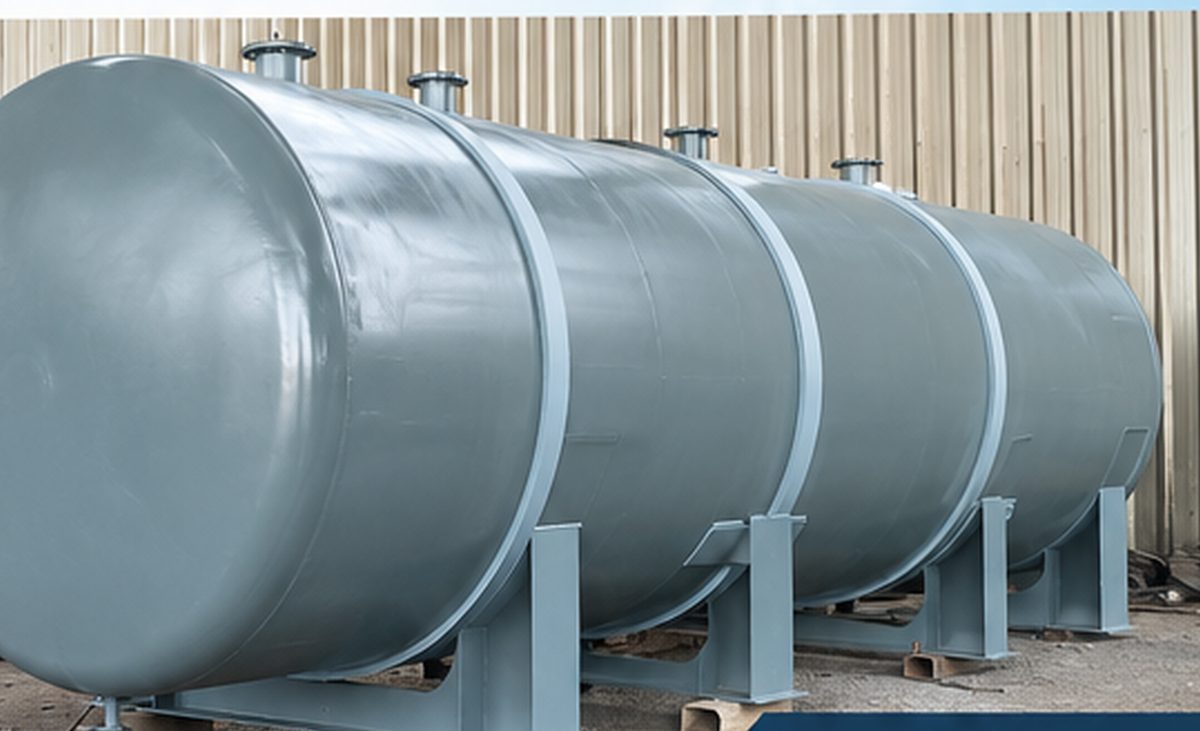
- Lifting lugs, saddles or support structure matched to mobile or stationary use.
- Baffles or internal supports where the application calls for them.
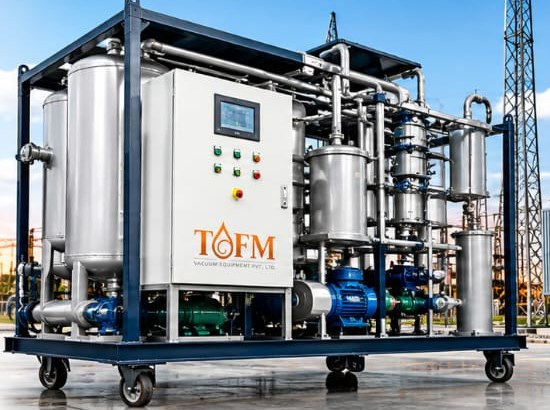
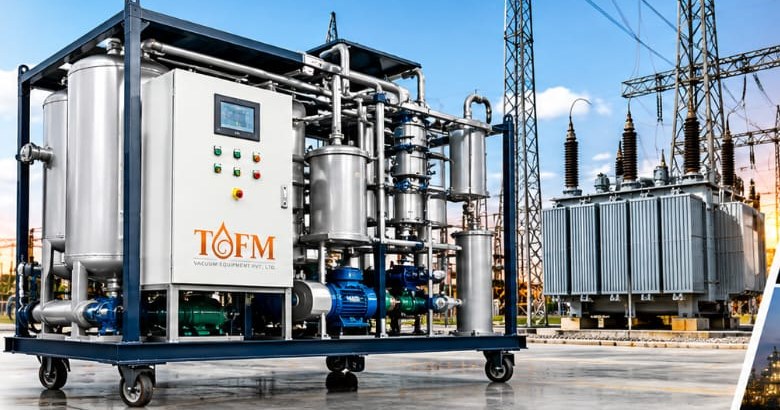
The right fitting list depends on how the tank integrates with your filtration plant. When a storage tank is paired with a transformer oil filtration machine, the nozzle sizing, valve positions and connection points should be planned together so oil moves cleanly from storage, through filtration, and back. This is where buying storage and filtration from one manufacturer removes the guesswork, because the whole oil-handling loop is engineered as one system.
Mobile vs stationary oil storage tanks: which is right for you?
Choose a mobile tank when oil has to travel to the transformer, and a stationary tank when transformers come to the oil or the volume is too large to move. The decision follows your site layout and maintenance pattern, not a universal rule.
| Factor | Mobile tank | Stationary tank |
|---|---|---|
| Typical use | On-site maintenance, remote substations, field oil handling | Central oil store, workshop, large-volume buffer |
| Capacity | Lower, limited by safe transport | Higher, up to large custom volumes |
| Movement | Trolley, skid or trailer mounted | Fixed on foundations or saddles |
| Best for | Utilities and contractors servicing scattered assets | Transformer manufacturers, central depots, refineries |
Mobile tanks suit power utilities, EPC contractors and service teams who maintain transformers across many locations, including remote and renewable-energy sites. The tank goes where the transformer is.
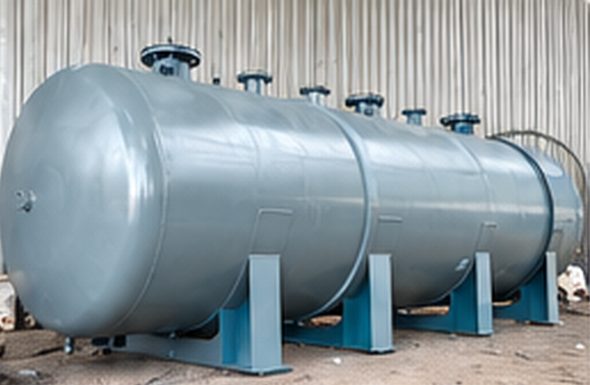
Stationary tanks suit transformer manufacturers filling new units, central maintenance depots, and oil and gas facilities holding larger reserves. TOFM builds both, so the configuration matches your operation rather than forcing your operation to match the tank.
MS vs SS: which material should a transformer oil storage tank use?
Material selection depends on the stored fluid, the environment and your corrosion-protection strategy. The TOFM technical team should confirm the material grade and design code for your specific application before you finalise a specification.
In broad terms, buyers weigh two common routes:
- Mild steel (MS) is widely used for oil storage, typically with a suitable internal and external coating or paint system for corrosion protection. It is cost-effective for many transformer oil duties.
- Stainless steel (SS) is specified where the application, fluid or environment demands higher corrosion resistance, often in more aggressive chemical or coastal conditions.
The decision is not simply that stainless steel is better. It is about matching material, coating and design code to the fluid and the site, and that is a technical call. Rather than assume a grade, state your fluid, environment and any applicable standard in your enquiry, and let the fabrication team recommend the right construction. Where a pressure vessel is involved rather than an atmospheric storage tank, applicable design codes apply, and these should be confirmed by TOFM before the specification is published. For a closer comparison of the two materials, read our guide on MS vs SS storage tanks.
Why do utilities tender tanks together with filtration plants?
Utilities increasingly tender oil storage tanks and transformer oil filtration plants together because the two are one oil-handling system, and procuring them from a single engineering source simplifies integration, commissioning and accountability. Large power-generation and transmission buyers plan oil handling as a complete loop: store, filter, dry, and return clean oil to the transformer.
Buying storage and filtration together brings practical advantages:
- One integrated system with matched flow rates and connection points.
- One supplier for engineering, delivery, installation and spare-part support.
- One point of accountability if a specification question or service need arises.
- Simpler tender evaluation, because the equipment is already designed to work as a set.
This is the reason TOFM positions oil storage tanks as a natural companion to its transformer oil filtration machines. A substation or transformer manufacturer that invests in a filtration plant almost always needs clean-oil and dirty-oil storage alongside it. Presented together as an oil-handling system, the package is easier to specify, easier to commission, and easier to support over its working life.
Summary
- Size the tank to your largest single oil volume plus temperature and operating headroom, and separate clean oil from dirty oil.
- Specify fittings for the full cycle: fill, draw, sample, vent, drain, level indication, inspection and lifting.
- Choose mobile when oil travels to the transformer, stationary when volume is large or transformers come to the oil.
- Match material and design code to the fluid and environment; confirm MS, SS, coating and code with TOFM before finalising.
- Tender storage with filtration as one oil-handling system for simpler integration, commissioning and support.
Frequently asked questions
What size transformer oil storage tank do I need?
Size the tank to the largest single oil volume you will hold at once, usually the oil capacity of your biggest transformer, then add headroom for temperature expansion and safe operation. Many sites also run separate clean-oil and dirty-oil tanks. TOFM builds custom capacities up to 40,000 litres, so you specify the exact volume rather than rounding to a standard size.
What is the maximum oil storage tank capacity TOFM can fabricate?
TOFM fabricates custom oil storage tanks up to 40,000 litres, in mobile or stationary configurations. Because tanks are built to order with a minimum order quantity of one unit, the capacity is matched to your fleet and site requirement.
Should I choose a mobile or stationary oil storage tank?
Choose a mobile tank when oil has to travel to transformers, for example on remote substation or field maintenance, and a stationary tank when the volume is large or transformers come to a central store. Utilities and contractors servicing scattered assets often prefer mobile; transformer manufacturers and central depots usually prefer stationary.
Is mild steel or stainless steel better for an oil storage tank?
It depends on the stored fluid, the environment and your corrosion-protection plan rather than one material always being superior. Mild steel with a suitable coating is common and cost-effective for many transformer oil duties, while stainless steel is specified for more demanding conditions. The TOFM technical team should confirm the material grade and design code for your application before you finalise a specification.
Why buy an oil storage tank and filtration plant from the same manufacturer?
Storage and filtration are one oil-handling loop, so matching flow rates, nozzles and connection points is simpler when both are engineered by one source. You also get a single point of accountability for delivery, installation and spare-part support, which is why many utilities tender the two together.
What fittings should a transformer oil storage tank have?
Specify fittings for the complete working cycle: inlet and outlet nozzles sized to your flow rate, a low-point drain valve, a breather or vent, a level indicator, a sampling point, a reinforced manhole for inspection, and lifting lugs or saddles suited to mobile or stationary use. The exact list depends on how the tank connects to your filtration plant.
This article gives general technical guidance. Material grades, design codes and tank specifications should be confirmed with the TOFM technical team for your fluid, application and site before purchase.