Transformer Oil Storage Tanks: A Design Checklist for Utilities, Substations and Transformer Shops
Key takeaways
- A transformer oil storage tank should hold at least the full oil volume of the largest transformer it serves, plus a working margin.
- Use separate tanks for used oil and filtered oil, so clean oil is never re-contaminated.
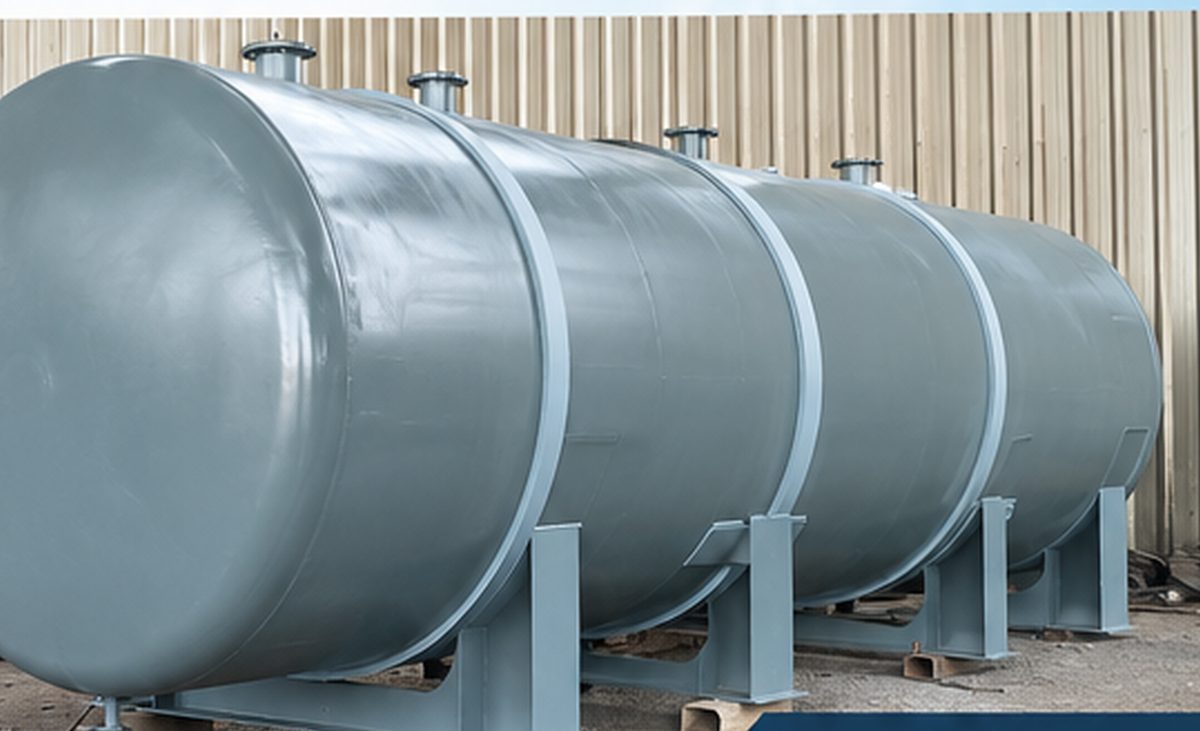
- Horizontal tanks on saddles suit most oil storage. Vertical conical-bottom tanks drain completely.
- Key fittings include a manhole, a drain at the lowest point, a sampling valve, level indication and a dehydrating breather.
- If the tank works under pressure or vacuum, design it to a recognised pressure vessel code.
A transformer oil storage tank stores insulating oil before filling, during filtration and after draining, without letting it pick up water or dirt. Size it for the largest oil volume you handle, keep used and filtered oil in separate tanks, and fit it with the right breather, drain and sampling points.
This checklist covers sizing, layout, tank type, fittings and materials.
How big should a transformer oil storage tank be?
The tank should hold at least the full oil volume of the largest transformer it serves, plus a margin. The margin covers oil in hoses and the filtration machine, and leaves space at the top of the tank.
For example, if your largest transformer holds 25,000 litres, a 30,000 litre tank gives a practical margin. TOFM custom fabricates tanks up to 40,000 litres, so you can size the tank to your actual volume.
Why use separate tanks for used and filtered oil?
Separate tanks stop clean oil from mixing with used oil. When oil is drained from a transformer, it goes into the used oil tank. The filtration machine then draws from that tank and sends treated oil into the clean tank.
As a result, this layout lets the machine run continuously. It also gives you a clear record of which oil has been treated, because each tank holds oil in one known condition.
Should you choose a horizontal or vertical tank?
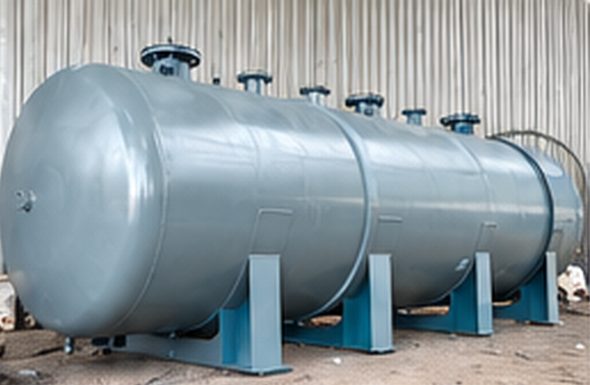
In most cases, horizontal tanks on saddles are the best choice. They have a low centre of gravity, fit under limited height, and work well on trailers for mobile duty.
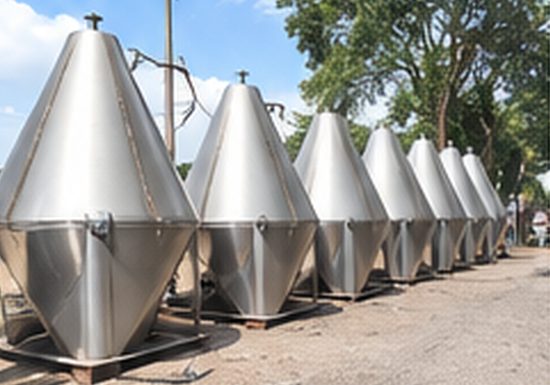
On the other hand, vertical tanks use less floor space. A vertical tank with a conical bottom drains completely, which suits liquids that must not be left behind. For chemical duties, see our chemical storage tanks.
When do you need a mobile oil storage tank?
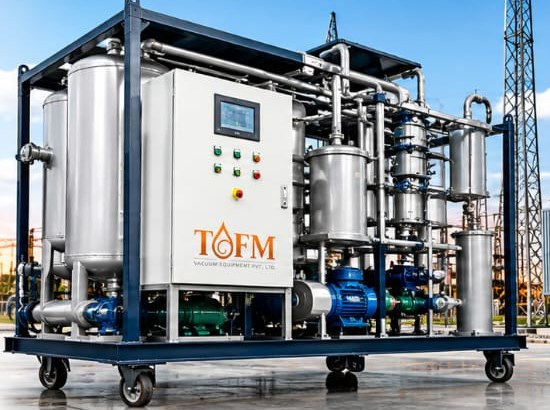
You need a mobile tank when oil has to move between sites. Utilities and contractors that maintain transformers at many substations often pair a mobile filtration machine with mobile tanks. A stationary tank, by contrast, suits a transformer factory, a repair workshop or a central oil store.
Which fittings does a transformer oil storage tank need?
The right fittings keep oil dry and make the tank easy to use and clean. A practical list includes:
- Manhole for inspection and cleaning.
- Inlet and outlet nozzles sized for your filtration machine's flow rate.
- Drain at the lowest point, so water and sludge can be removed.
- Sampling valve, so you can test the oil without opening the tank.
- Level indicator, to track volume during filling and draining.
- Dehydrating breather, such as a silica gel breather, so air entering the tank is dried first.
- Ladder and platform where operators need access to the top.
What material and finish should the tank have?
In general, the material depends on the oil and the site. Many oil storage tanks use carbon steel with a suitable internal finish and an external paint system. Stainless steel suits some process and chemical duties. Whatever the material, the internal surface must be clean and compatible with insulating oil.
Therefore, confirm the material, coating and any applicable standard with your manufacturer at the enquiry stage.
When does a pressure vessel code apply?
A pressure vessel code applies when the tank will work under internal pressure or vacuum, rather than at atmospheric pressure. In that case, design it to a recognised code such as ASME Section VIII, Division 1 or IS 2825, as specified for your project. See our pressure vessel tanks for this type of duty.
For standard atmospheric storage, a well-fabricated tank with the right fittings is usually enough.
Summary
Plan a transformer oil storage tank around your largest oil volume plus a margin, and use separate tanks for used and filtered oil. Choose horizontal tanks for most oil storage and mobile tanks for multi-site work. Fit a manhole, low-point drain, sampling valve, level indicator and dehydrating breather. If the tank works under pressure or vacuum, design it to a pressure vessel code. TOFM fabricates tanks up to 40,000 litres to suit each site.
Frequently asked questions
What size transformer oil storage tank do I need?
Size the tank for the full oil volume of your largest transformer, plus a margin for hoses, the filtration machine and headspace. TOFM custom fabricates tanks up to 40,000 litres.
Why should clean and used transformer oil be stored separately?
Separate tanks stop treated oil from being re-contaminated. They also let a filtration machine run continuously from the used oil tank into the clean oil tank.
Why does a transformer oil tank need a breather?
Air enters the tank as oil is drawn out. A dehydrating breather dries that air first, which stops the oil from absorbing moisture during storage.
Is a horizontal or vertical tank better for transformer oil?
Horizontal tanks on saddles suit most transformer oil storage and mobile duty. Vertical tanks save floor space, and conical-bottom versions drain completely.
Does an oil storage tank need to follow a pressure vessel code?
Only if it operates under pressure or vacuum. Atmospheric storage tanks do not usually need a pressure vessel code, but pressurised or vacuum tanks should follow one such as ASME Section VIII or IS 2825.
Can TOFM supply tanks with a filtration machine?
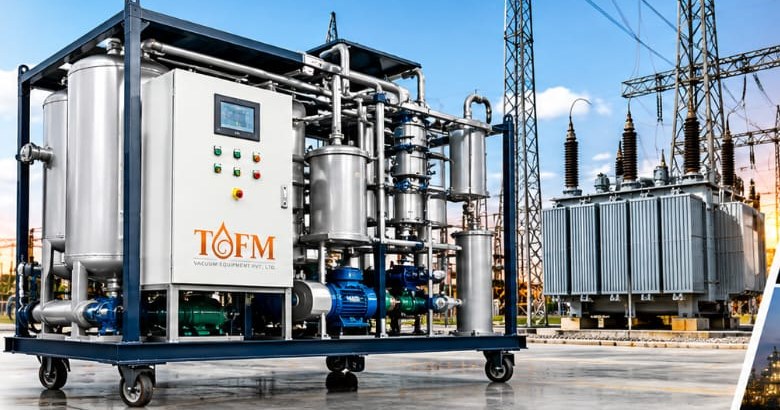
Yes. TOFM supplies oil storage tanks together with its oil filtration machines as a complete oil handling system.
This article gives general technical guidance. Always follow the transformer manufacturer's instructions and the standards that apply to your equipment.