Hydro Cyclone vs Air-Solid Cyclone Separator: How They Work and Where to Use Them
Key takeaways
- A hydro cyclone separator removes solids or heavier liquids from a liquid stream.
- An air-solid cyclone separator removes dust and particles from air or gas.
- Both use a spinning flow to throw heavy particles to the wall. Neither has moving parts.
- Cyclones are sized from flow rate, particle size, available pressure and solids load.
- TOFM fabricates both types in MS and SS, sized as per requirement.
A hydro cyclone separator removes solids, or a heavier liquid, from a liquid stream. An air-solid cyclone separator does the same job for air or gas, removing dust and particles. Both use a spinning flow inside a cone and have no moving parts. The difference is simply the medium they clean.
What is a hydro cyclone separator?
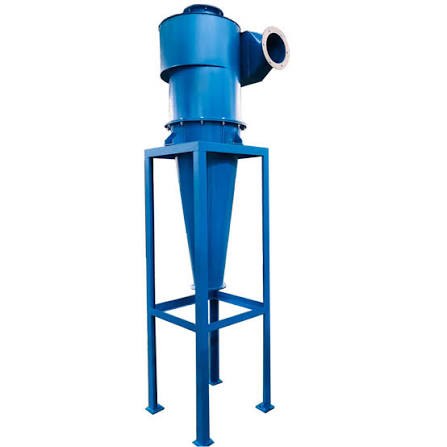
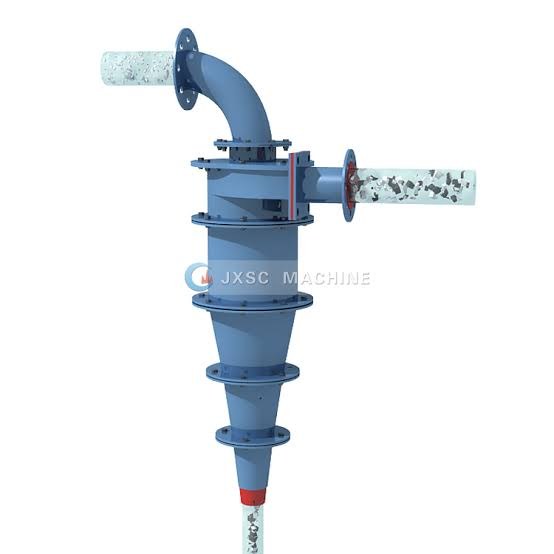
A hydro cyclone is a conical vessel that separates solids from a liquid. A pump pushes the liquid in at an angle, so it spins. As a result, heavy particles move to the wall and leave through the bottom outlet, called the underflow. Meanwhile, the cleaner liquid leaves through the top outlet, called the overflow. You can read more about the hydrocyclone principle.
What is an air-solid cyclone separator?
An air-solid cyclone separator removes dust from an air or gas stream. A fan moves dusty air into the cyclone, where it spins down the cone. As a result, dust hits the wall, falls into a hopper, and clean air exits through the central outlet at the top.
How do both cyclone separators work?
Both types follow the same principle of cyclonic separation:
- The stream enters the cylinder at a tangent and starts to spin.
- The spin creates a strong outward force on every particle.
- Heavier particles move to the wall and slide down the cone.
- Solids leave at the bottom; the cleaned stream rises and leaves at the top.
Because there are no moving parts, both types need little maintenance.
What are the key differences?
| Factor | Hydro cyclone | Air-solid cyclone |
|---|---|---|
| Cleans | Liquids | Air and gas |
| Removes | Sand, grit, heavy solids, heavier liquids | Dust and particles |
| Driven by | Pump pressure | Fan or blower |
| Outlets | Overflow (clean liquid), underflow (solids) | Clean air outlet, dust hopper |
| Typical use | Solids removal ahead of filters, process water | Dust collection ahead of bag filters, pump protection |
Where are cyclone separators used?
In practice, hydro cyclones are common in process water systems, effluent pre-treatment and solids removal ahead of filters. For instance, a hydro cyclone in front of a filter takes out the heavy load, so the filter lasts longer. Air-solid cyclones, on the other hand, collect dust ahead of bag filters, recover product from pneumatic conveying and protect vacuum pump inlets.
How is a cyclone separator sized?
In general, a cyclone is sized from four things:
- Flow rate of liquid or air.
- Particle size you need to remove.
- Available pressure and acceptable pressure drop.
- Solids load in the stream.
TOFM fabricates hydro cyclone separators and air-solid cyclone separators in MS and SS, sized as per requirement.
How is a cyclone different from a centrifuge?
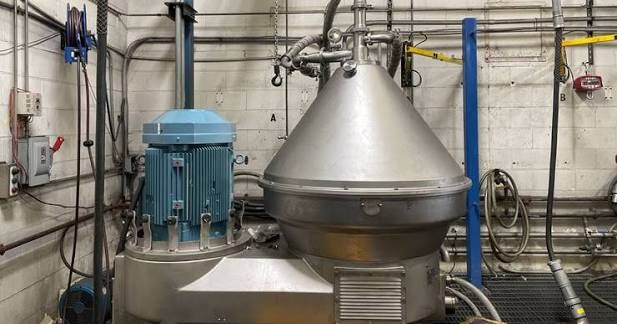
A cyclone has no moving parts and uses the energy of the flow. A centrifuge, by contrast, uses a motor-driven bowl, so it separates much finer droplets, such as free water in oil. That is why TOFM uses an oil-water centrifuge for wet transformer oil. Read centrifuge vs vacuum filtration for more.
Summary
A hydro cyclone separator cleans liquids by spinning out solids or heavier liquids, while an air-solid cyclone separator cleans air and gas by spinning out dust. Both work on the same principle and have no moving parts. Size a cyclone from flow rate, particle size, available pressure and solids load. For fine droplets such as water in oil, use a centrifuge instead. TOFM fabricates both cyclone types in MS and SS.
Frequently asked questions
What does a hydro cyclone separator do?
It removes solids or a heavier liquid from a liquid stream. Heavy particles leave through the bottom outlet, and cleaner liquid leaves through the top.
What is the difference between a hydro cyclone and an air cyclone?
A hydro cyclone cleans liquids and is driven by pump pressure. An air-solid cyclone cleans air or gas and is driven by a fan.
Does a cyclone separator have moving parts?
No. Both hydro and air cyclones use the energy of the flow to create the spin, so they need little maintenance.
Can a cyclone remove very fine particles?
Cyclones work best on coarse and medium particles. Very fine particles usually need a filter after the cyclone.
How is a hydro cyclone sized?
It is sized from the flow rate, the particle size to remove, the available pressure and the solids load. TOFM confirms these during technical consultation.
What materials does TOFM use for cyclone separators?
TOFM fabricates hydro cyclone and air-solid cyclone separators in MS and SS.
This article gives general technical guidance. Always follow the transformer manufacturer's instructions and the standards that apply to your equipment.