Vacuum Drying of Transformers: Why Moisture in Insulation Matters and How It Is Removed
Key takeaways
- Vacuum drying of transformers removes moisture from cellulose insulation using controlled heat and vacuum.
- Most of the water in a transformer sits in its paper and pressboard insulation, not in the oil.
- Vacuum lowers the boiling point of water, so insulation dries thoroughly at moderate temperature.
- Drying continues until the moisture removal rate reaches an agreed end point.
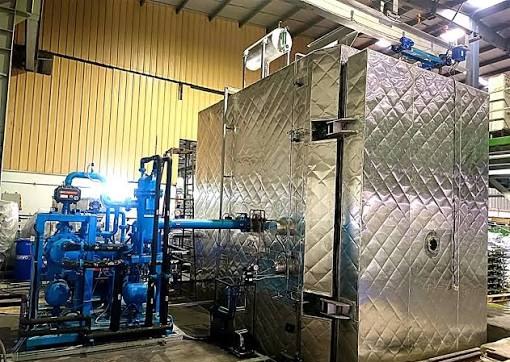
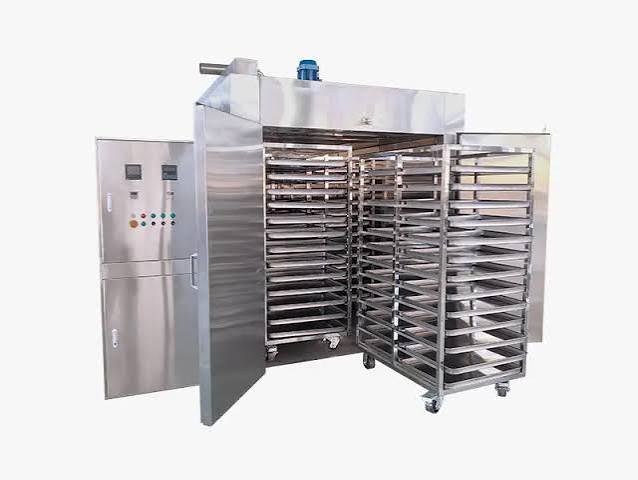
- A drying oven pre-dries components with heat alone; a vacuum drying plant adds vacuum for deeper drying.
Vacuum drying of transformers is the process of removing moisture from a transformer's paper and pressboard insulation by heating it and holding it under vacuum. The vacuum lowers the boiling point of water, so moisture leaves the insulation at a moderate temperature that does not damage the cellulose.
This guide explains why the step matters, how it works and how it differs from oven drying.
Why does transformer insulation need drying?
Transformer insulation needs drying because cellulose absorbs water from the air during manufacture, storage and repair. Wet insulation has lower dielectric strength. It also ages faster, and the life of a transformer is closely tied to the life of its paper insulation.
Moreover, most of the water inside a transformer sits in the solid insulation rather than in the oil. That is why drying the oil alone is not enough for a new or rewound transformer. The active part itself must be dried before it is filled with oil.
How does vacuum drying of transformers work?
Vacuum drying works by combining gentle heat with low pressure. Heat gives water molecules the energy to move out of the insulation. At the same time, vacuum lowers the boiling point of water, so it evaporates without high insulation temperatures. The vacuum pumps then carry the vapour away.
A typical cycle in a vacuum drying plant runs in five steps:
- Load and seal. Operators place the active part or component in the chamber and close it.
- Controlled heating. The insulation is heated gently and evenly, with temperature limits that protect the cellulose.
- Vacuum. Pumps draw the chamber down so that water evaporates from the insulation.
- Monitoring. The control system tracks temperature, vacuum and the amount of water removed.
- End point. Drying stops when the water removal rate falls to the agreed target.
How do you know when the transformer is dry?
You know the transformer is dry when the rate of water removal falls below the end point agreed for that design. Because the insulation gives up less and less water as it dries, the extraction rate drops over time. Manufacturers track this rate, together with temperature and vacuum, to decide when to stop.
The exact end point depends on the transformer design, voltage class and the manufacturer's procedure. Agree it before the drying cycle starts.
What is the difference between a drying oven and a vacuum drying plant?
A drying oven dries with heat at atmospheric pressure. A vacuum drying plant combines heat with vacuum. As a result, the vacuum plant dries insulation more deeply and at lower temperature.
Many factories use both. A drying oven pre-dries coils, windings and insulation parts. The vacuum drying plant then completes the drying of the assembled active part.
| Factor | Drying oven | Vacuum drying plant |
|---|---|---|
| Pressure | Atmospheric | Vacuum |
| Drying depth | Surface and pre-drying | Deep drying of insulation |
| Typical use | Coils, windings, parts | Assembled active parts |
| Temperature needed | Higher for the same result | Moderate, because vacuum assists |
What happens after vacuum drying?
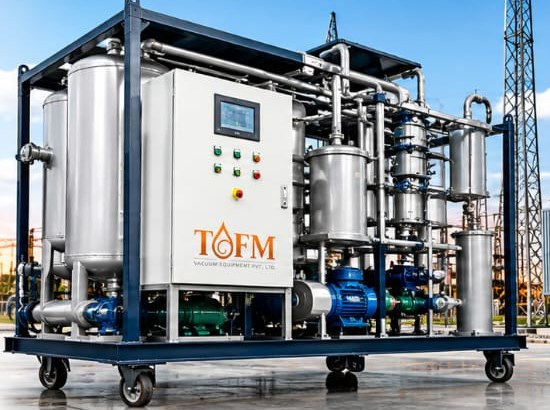
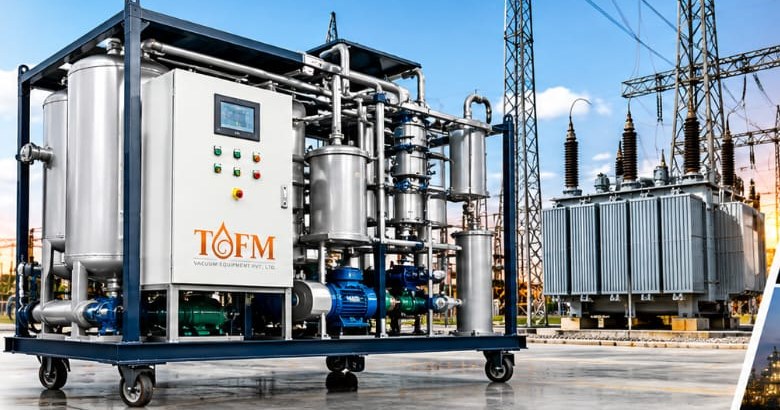
After drying, the transformer should be filled with dry, degassed oil as soon as possible, so the insulation does not pick up moisture again. The oil itself should be treated with a transformer oil filtration machine before filling. For filling and oil limits, refer to the manufacturer's procedure and to IEC 60422 for oil in service.
Are there other methods for drying transformers?
Yes. Large manufacturers sometimes use vapour phase drying, which heats the insulation with a solvent vapour. In the field, service teams may dry an in-service transformer by circulating hot, treated oil and applying vacuum where the tank is rated for it. However, for most manufacturing and workshop duties, heat and vacuum in a dedicated plant remain the standard approach.
Summary
Vacuum drying of transformers removes moisture from paper and pressboard insulation, where most of a transformer's water sits. Gentle heat and vacuum let the water evaporate at moderate temperature, and drying continues until the water removal rate reaches an agreed end point. Drying ovens pre-dry parts with heat alone, while vacuum drying plants dry assembled active parts deeply. After drying, fill the transformer promptly with filtered, degassed oil.
Frequently asked questions
Why are transformers vacuum dried?
Their cellulose insulation absorbs water during manufacture and repair. Vacuum drying removes that water, which restores dielectric strength and slows insulation ageing.
Why not just heat the transformer to dry it?
Heat alone needs higher temperatures to drive water out, which can damage cellulose. Vacuum lowers the boiling point of water, so insulation dries thoroughly at moderate temperature.
How long does vacuum drying take?
It depends on transformer size, insulation mass, starting moisture and plant capacity. Drying runs until the water removal rate reaches the agreed end point, rather than for a fixed time.
Where is most of the water in a transformer?
Most of it sits in the paper and pressboard insulation rather than in the oil. That is why new and rewound transformers need their active part dried.
What is the difference between a drying oven and a vacuum drying plant?
A drying oven uses heat at atmospheric pressure for pre-drying parts. A vacuum drying plant adds vacuum for deep drying of assembled active parts.
Does TOFM make vacuum drying plants?
Yes. TOFM builds vacuum drying plants and drying ovens for transformer manufacturers, repair workshops and electrical equipment makers.
This article gives general technical guidance. Always follow the transformer manufacturer's instructions and the standards that apply to your equipment.